Isle of North Uist

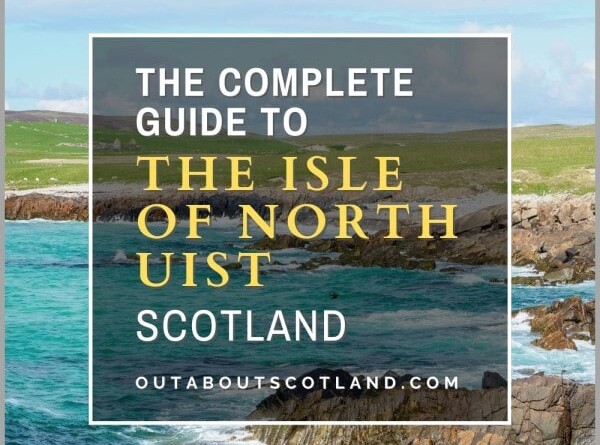
North Uist is an island in the Outer Hebrides, situated between the islands of Benbecula and Harris.

At 117 square miles it is the 10th-largest island in Scotland and has a population of around 1,300 people, most of whom are employed in the fishing and crofting industries.

The island is well known for its rugged coastline which is home to a wide variety of birds including corncrakes, terns and gannets as well as hen harriers and peregrines.
Isle of Harris

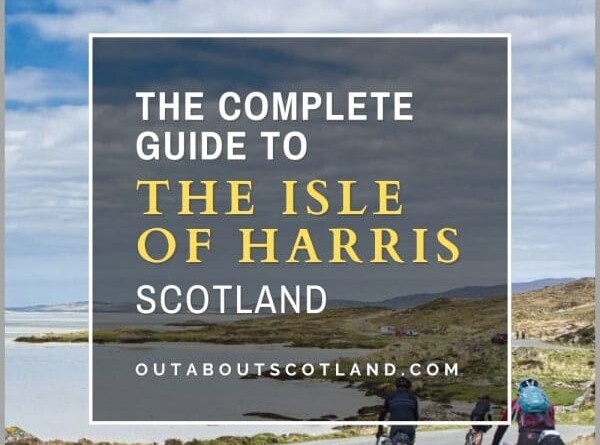
The Isle of Harris is situated in the Outer Hebrides where it borders the Isle of Lewis on its northern side and faces the isle of North Uist to the south.

This is one of the most popular tourist destinations in Scotland’s Western Isles, primarily because it’s home to some of the best beaches in the country and features a wild and rugged coastline that’s second to none for wildlife.

Loch Druidibeg

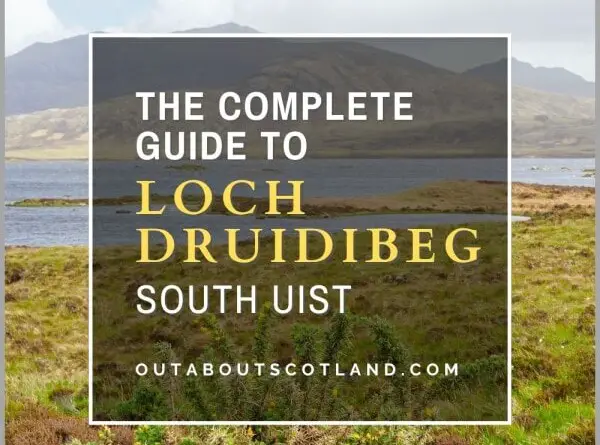
Loch Druidibeg is part of a nature reserve situated within a beautiful moorland setting on the northern end of the Isle of South Uist in the Outer Hebrides.

The loch and surrounding area are managed by the RSPB which cares for the fragile habitats that are home to hen harriers, white-tailed eagles, and myriad insect species.

Loch Lomond

With a surface area of 27.5 square miles, Loch Lomond is Britain’s largest body of freshwater. This immense loch is situated within the beautiful Trossachs National Park, surrounded by forests, quaint villages, and soaring mountain peaks.

The loch is one of the most-visited natural attractions in Scotland due to its proximity to Glasgow. It is also a haven for thrill-seekers looking to take part in water sports as well as nature lovers who visit Loch Lomond to see golden eagles, red squirrels, otters and other iconic Scottish animals.

Isle of South Uist

At 124 square miles, South Uist is the second-largest island in the Outer Hebrides, yet it’s home to less than 2,000 people.

Visitors to the island will quickly find themselves lost in a hauntingly beautiful landscape where nature thrives across mile after mile of white powder beaches to the west and thickets of purple heather to the east.

The island is also home to many of Scotland’s most iconic animals such as the elusive corncrake and sea eagle as well as red deer which roam South Uist’s windswept uplands.

Isle of Barra

The Isle of Barra is located on the southernmost point of the Outer Hebrides where it joins the Isle of Vatersay on its southern edge and faces the island of South Uist on its northern side.

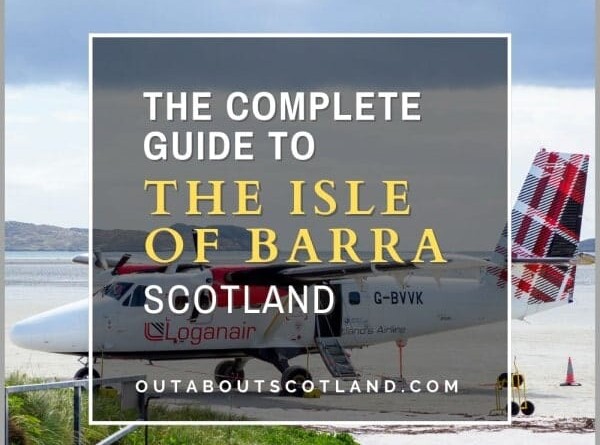
At only 23 square miles in total area, Barra isn’t exactly the largest island in the Hebrides but it’s undoubtedly one of the most interesting thanks to an array of attractions that include the fabulous Traigh Mhor beach – home of the world’s only beach commercial airfield – and Kisimul Castle which is situated on a small outcrop in the middle of Castlebay harbour.

Balloch Castle Country Park

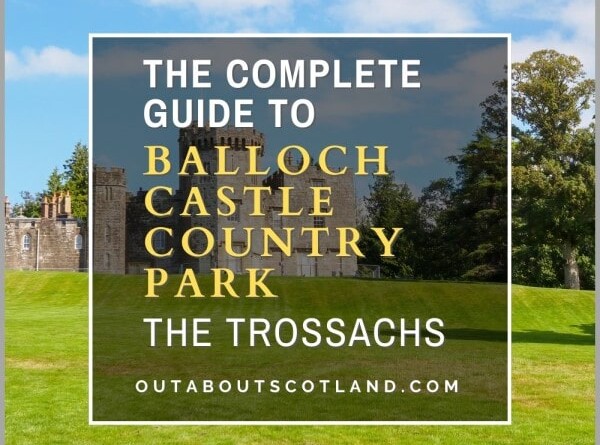
Balloch Castle Country Park is a 200-acre public park located at the southern end of Loch Lomond.
This popular green space offers visitors easy access to the loch as well as a number of nature trails, ornamental woodland, play parks and formal gardens.

The centre of the park is home to the 19th-century Balloch Castle which is the focal point of paths that run down to the waterfront in a circular route.

Luss Village

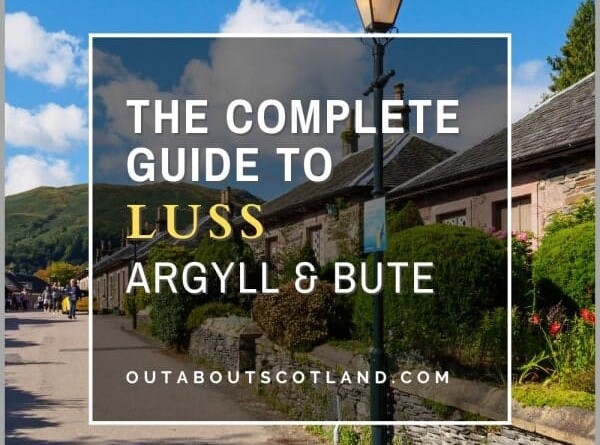
Luss is an attractive conservation village situated on the shores of Loch Lomond in The Trossachs National Park.

The village has a long history dating back to the early 6th century but it wasn’t until the 1980s that it became a tourist destination when the popular Scottish TV drama Take The High Road was filmed there.

There are 24 listed buildings in the village, as well as boat cruises, a beach, and watersports hire.