Isle of Mull
Isle of Mull
The Isle of Mull, the second largest island of the Inner Hebrides, is located off the west coast of Scotland and is easily accessible by ferry from Oban, Lochaline, and Kilchoan on the mainland. It spans an area of 338 square miles and has a landscape that’s comprised of a tapestry of rolling hills, rugged cliffs, and mile after mile of windswept moorland.
Mull’s terrain is a contrast of low-lying coastal areas and towering mountains, the highest of which is Ben More which is 3,169 feet (966 metres) high. The coastline, stretching over 300 miles, is punctuated with dramatic cliffs and secluded coves like the Carsaig Arches, as well as a number of beaches such as Calgary Bay which is renowned for its white sand and clear turquoise waters.
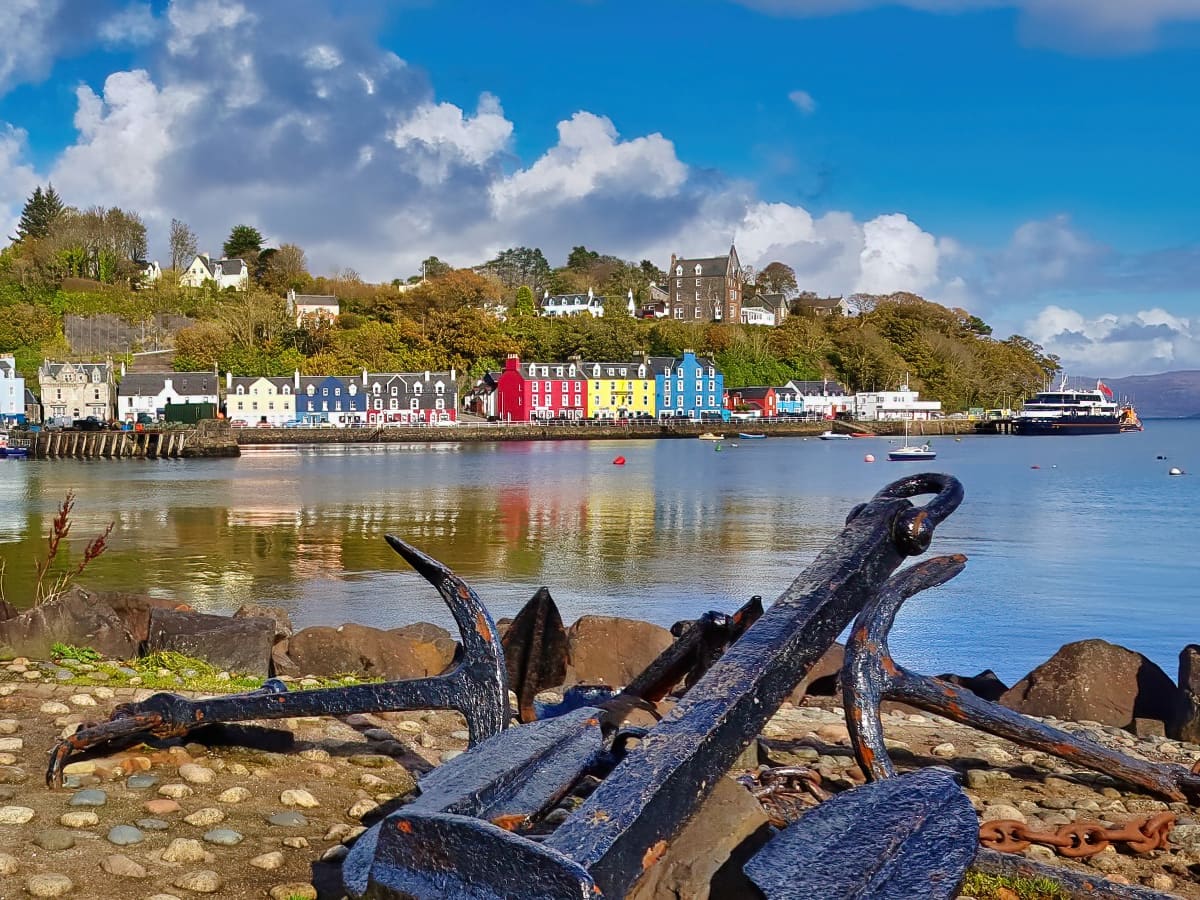
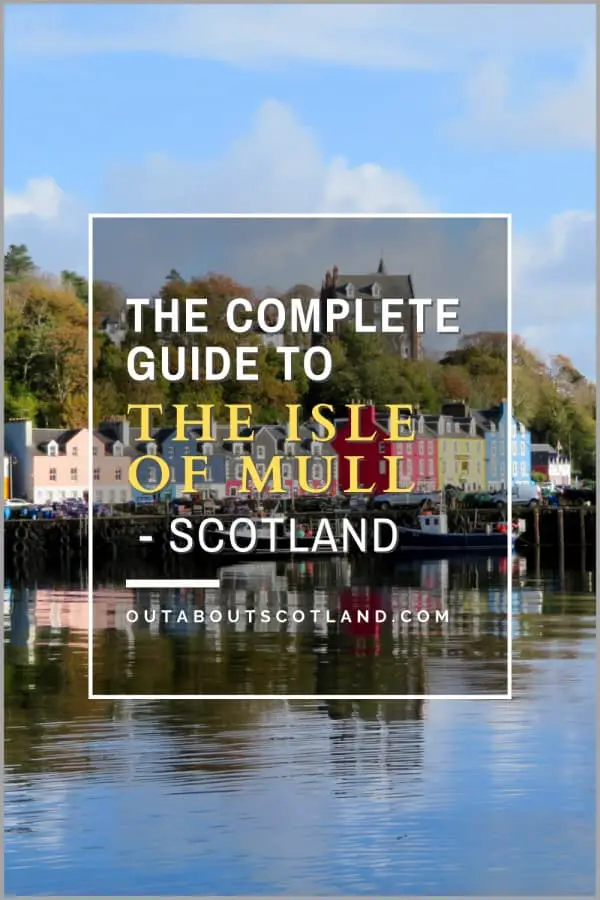
The towns and villages on Mull embody the charm of island life, especially Tobermory, the island’s capital, which is famed for its vibrant, pastel-coloured buildings that line the harbour. Other smaller villages like Dervaig, Salen, and Bunessan have a genuine step-back-in-time atmosphere and make great bases to explore the island’s interior and coastline.
Mull is a haven for wildlife enthusiasts. It’s one of the best places in Scotland to spot white-tailed sea eagles and red deer, and the surrounding waters and smaller islands like Staffa are home to seals, dolphins, and a variety of seabirds including the much-loved puffin, making boat trips a popular activity for Mull’s tourists.
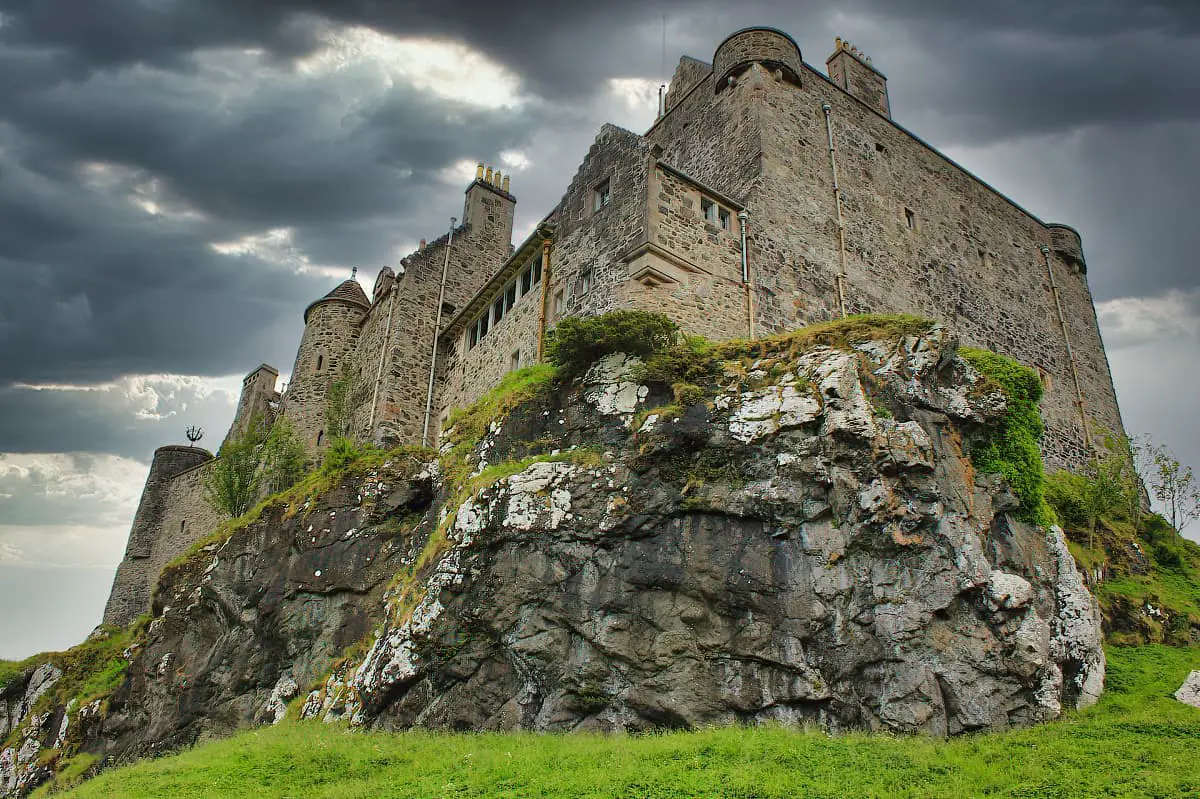
As far as attractions go, there are a number of options for visitors. Duart Castle, a 13th-century fortress perched on a cliff on the southeast corner of the island, offers panoramic views of the Sound of Mull, while Fingal’s Cave on Staffa is renowned for its natural acoustics.

Ben More, Mull
With a peak of 966 metres (3,169 feet), Ben More is the highest mountain on the Isle of Mull. The mountain is located on the shores of Loch na Keal and Loch Beg where it offers spectacular views from two very different approaches on the north and south sides. Discover everything you need to know…
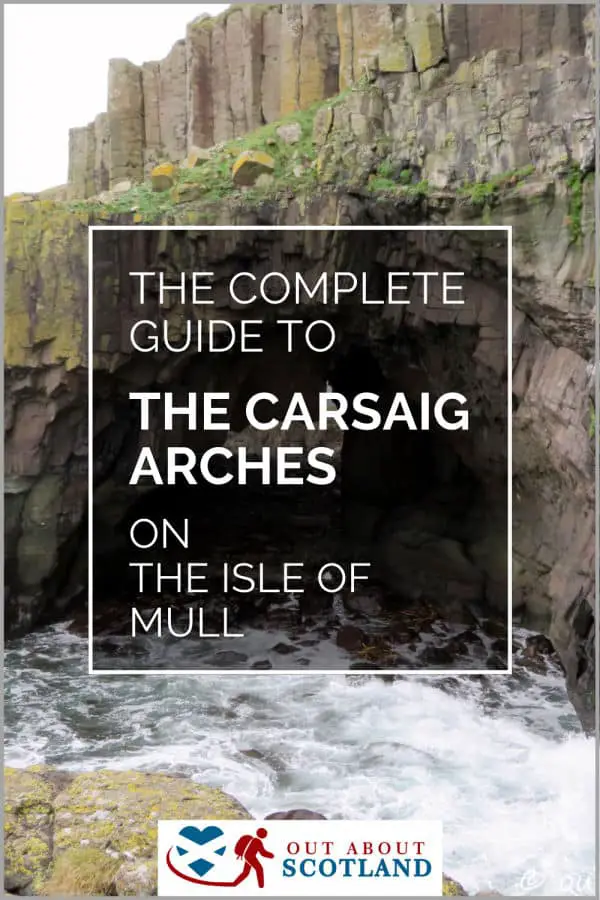
Carsaig Arches, Mull
The Carsaig Arches are located on the south side of the Isle of Mull. From Carsaig Pier it takes around 6 hours to walk the 8-mile return route which is very difficult due to the boulder-strewn coastline that has no obvious path. Walking the coastline is worth every bit of the effort involved though, not…
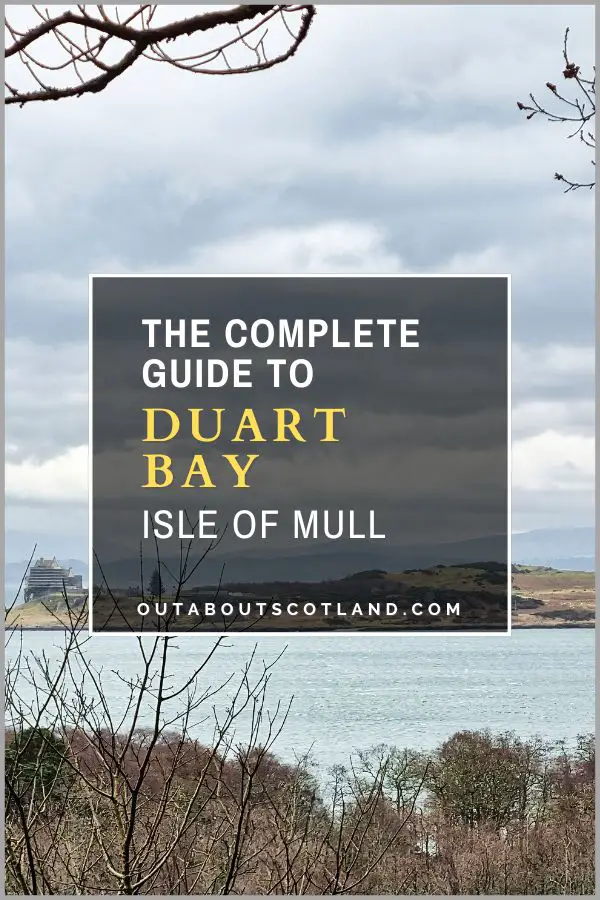
Duart Bay
Duart Bay is a picturesque spot on the Isle of Mull, one of the largest islands in the Inner Hebrides of Scotland. The bay is a serene location, offering breathtaking views of the Sound of Mull and nearby islands, and it’s a great place for wildlife spotting as you can often see a variety of…
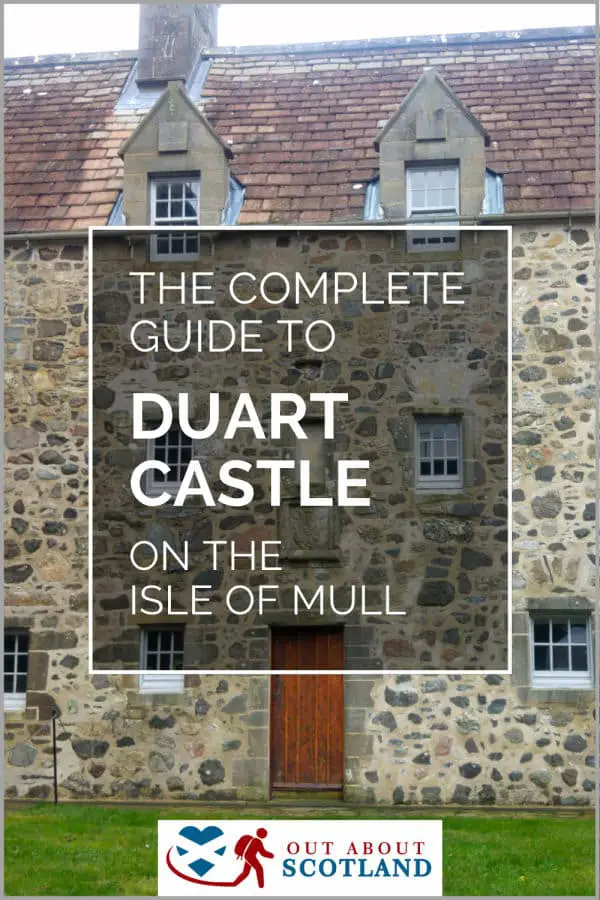
Duart Castle
For 700 years Duart Castle has dominated the Sound of Mull on the Isle of Mull, where its mighty curtain walls have defended the seat of Clan Maclean. The castle is located on a peninsula on the southeast of the island where it welcomes visitors with facilities including knowledgeable tour guides, nature walks, a café,…
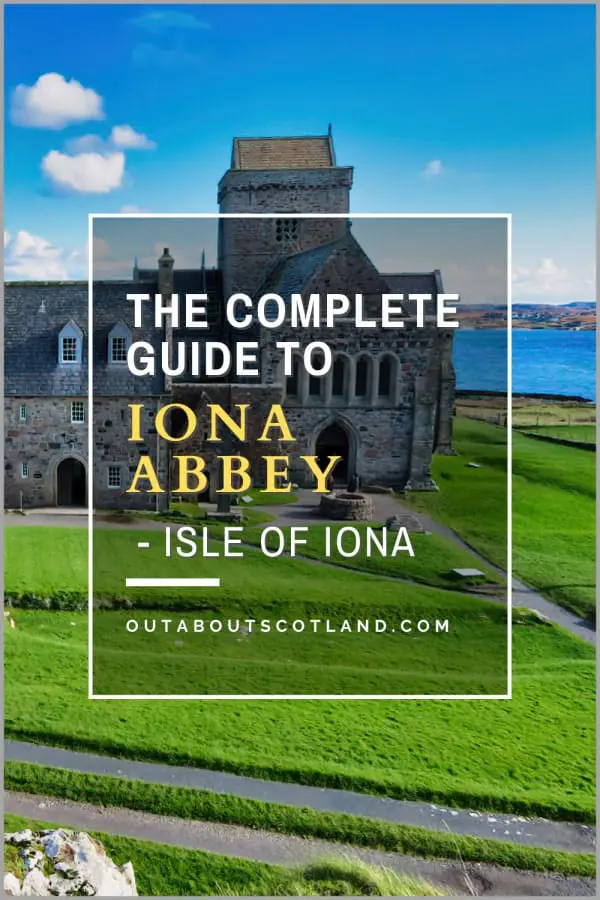
Iona Abbey, Mull
Iona Abbey – located on the Isle of Iona on the far south-west corner of Mull – was founded by St. Columba in AD 563. The abbey is one of Europe’s oldest sites of worship and was an important burial site for Scottish royalty after the Scottish Reformation. Today, Iona is a popular tourist destination…
Isle of Mull
The Isle of Mull is the second-largest island in the Inner Hebrides and features famous attractions including Tobermory village, Ben More, and Iona Abbey. The island is a popular alternative to Skye as it offers almost as many attractions but is less busy and is easier to get to from Oban. Discover this stunning west…
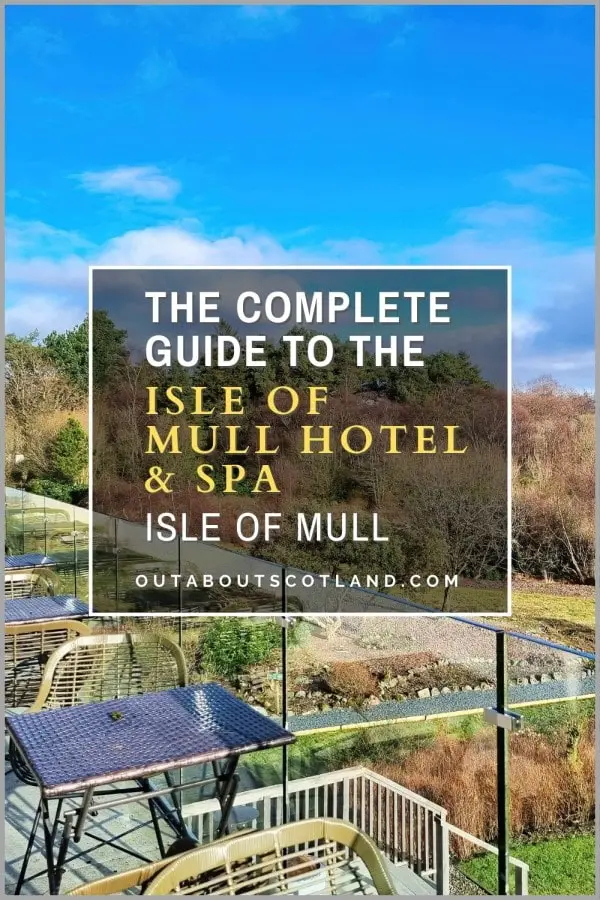
Isle of Mull Hotel & Spa
Nestled on the edge of the southeast corner of the Isle of Mull is the luxurious Isle of Mull Hotel and Spa, a haven for travellers looking to escape the stresses of everyday life. This extensive hotel offers guests an unforgettable experience of relaxation and indulgence thanks to its superb spa facilities and unparalleled oceanside…
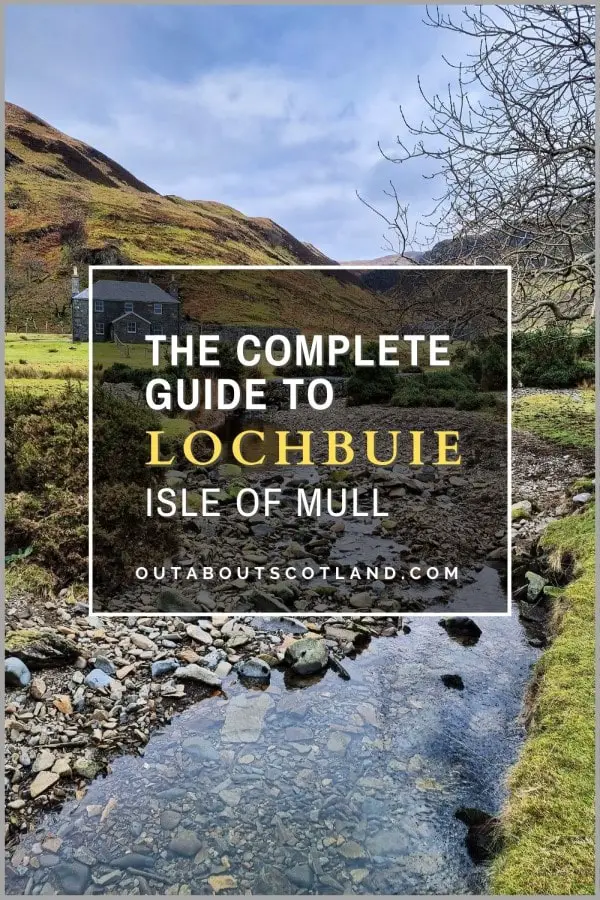
Lochbuie, Mull
The village of Lochbuie, nestled amidst the breathtaking landscape of the Isle of Mull, is a genuine hidden gem that offers visitors a taste of the island’s natural beauty far away from crowds of visiting tourists. Lochbuie lies at the head of Loch Buie on the south coast of Mull in a landscape that features…
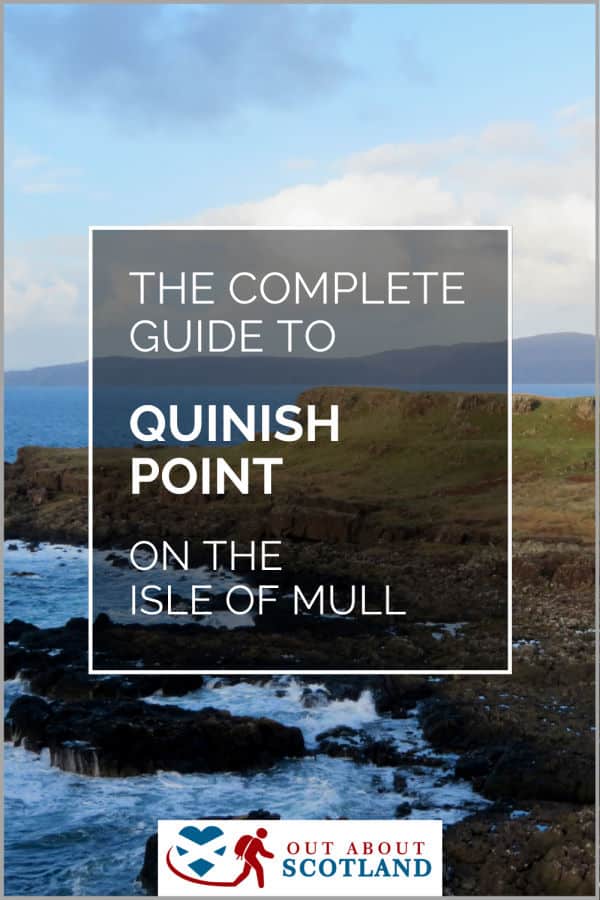
Quinish Point, Mull
The walk to Quinish Point on the Isle of Mull starts at the village of Dervaig on the northern tip of the island and passes through woodland, rolling fields, and a dramatic coastline. Discover this beautiful part of Mull in this complete guide, which includes an overview and a 360° virtual tour.
The Best Things to do on the Isle of Mull for Couples
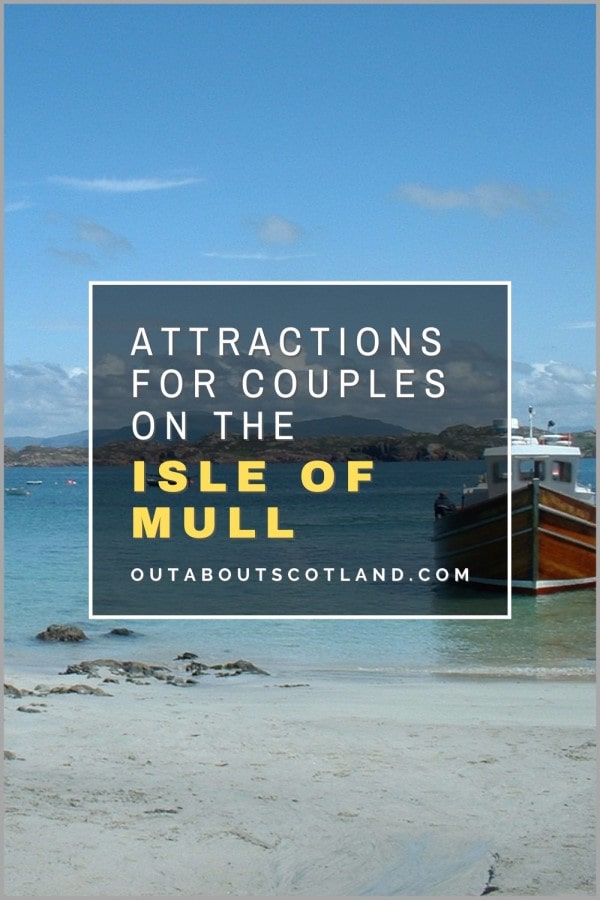
The second-largest island in the Inner Hebrides – the Isle of Mull – is one of Scotland’s most popular tourist destinations thanks to its wide range of attractions that include dramatic mountains, lush forests, historic buildings, golden beaches and stunning coastlines. Discover the top attractions for couples on the Isle of Mull with this guide…
Search for Things to Do in Scotland
Looking for something specific? Try a search.
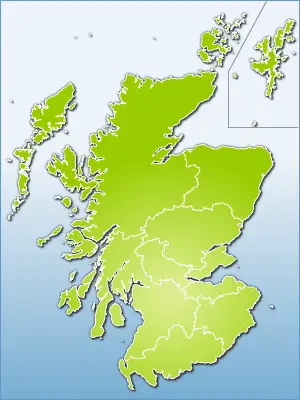
Find things to do in Scotland by clicking each region on this map.