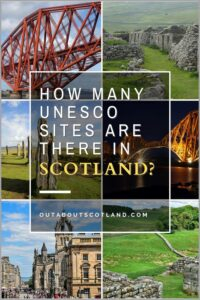
A Guide to UNESCO World Heritage Sites in Scotland
Visit Scotland, along with Historic Environment Scotland, Nature Scot, the Scottish Government, and other organisations, have teamed up with UNESCO to create the first-ever digital UNESCO Trail, making Scotland the first country to bring all of its UNESCO sites together online. The trail includes six World Heritage Sites, three Creative Cities, two Biosphere Reserves, and two Global Geoparks, all of which are joined together in one awe-inspiring journey across the country.
It’s safe to say there’s something to suit every taste whether you’re a nature lover, city wanderer, or history buff, and there’s perhaps no better way to explore this magnificent country than to include the UNESCO Scotland trail in a sightseeing itinerary.
There are 7 UNESCO World Heritage Sites in Scotland (St. Kilda, Edinburgh Old and New Towns, Orkney, New Lanark, the Antonine Wall, the Forth Bridge, and The Flow Country) from a total of 35 UK Properties inscribed on the World Heritage List.
| Site | Location | Heritage Type |
|---|---|---|
| St Kilda | Outer Hebrides | Mixed (Cultural + Natural) |
| Old & New Towns of Edinburgh | Edinburgh | Cultural |
| Heart of Neolithic Orkney | Orkney Islands | Cultural |
| New Lanark | South Lanarkshire | Cultural |
| Antonine Wall | Central Scotland | Cultural |
| Forth Bridge | Firth of Forth / Fife & Lothian | Cultural |
| The Flow Country | Caithness & Sutherland | Natural |
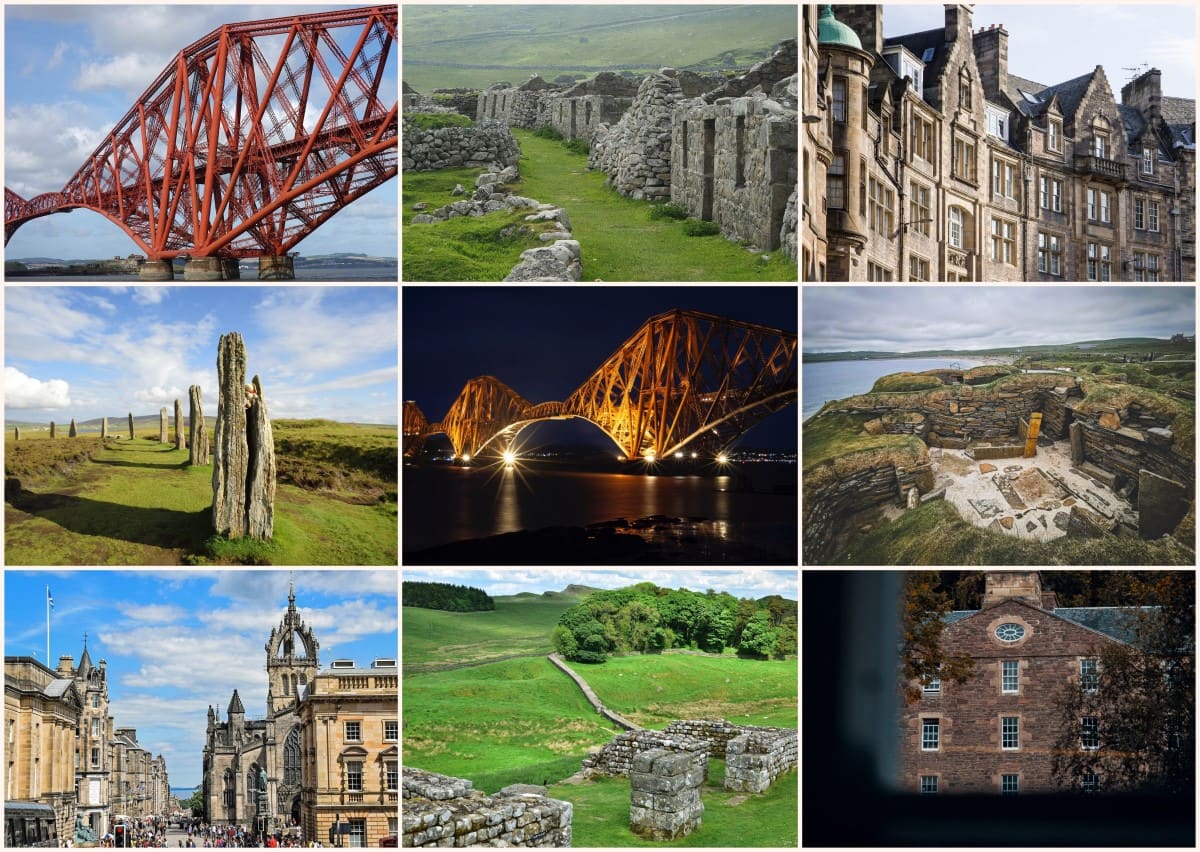
UNESCO World Heritage Sites in Scotland
UNESCO was born during the Second World War, when world leaders began looking for ways to rebuild their education systems after peace was restored. The first conference in 1945 saw 44 countries represented with a single purpose: to create an organisation that would establish the ‘intellectual and moral solidarity of mankind’, which would, in turn, help to prevent the outbreak of another world war.
This organization – United Nations Educational, Scientific and Cultural Organization (UNESCO) – began developing educational tools to promote cultural heritage across the globe, and to date, they have designated 1,154 cultural and natural sites as places that must be protected for the benefit of humanity.
Scotland’s UNESCO sites
World Heritage Sites are places or landmarks that are deemed to have outstanding natural, cultural, historic, or scientific value, not only for the people of Scotland but for people everywhere. They can include cities, places of archaeological or scientific discoveries, buildings, monuments, islands, lakes, forests, or any wilderness area.
To be selected, UNESCO examines the impact of the site on the host nation and determines whether it signifies a remarkable or significant accomplishment by humanity, has special cultural significance, or is a site of particular natural beauty.
In total, there are 1,154 UNESCO World Heritage Sites across the globe in 167 different countries, with Italy sitting at the top of the pile with 58 sites. Scotland comes further down the list at 6 sites, but they’re all remarkable places that are a must-do for all visiting tourists. Let’s take a closer look at these sites in the following list.
The Old and New Towns of Edinburgh
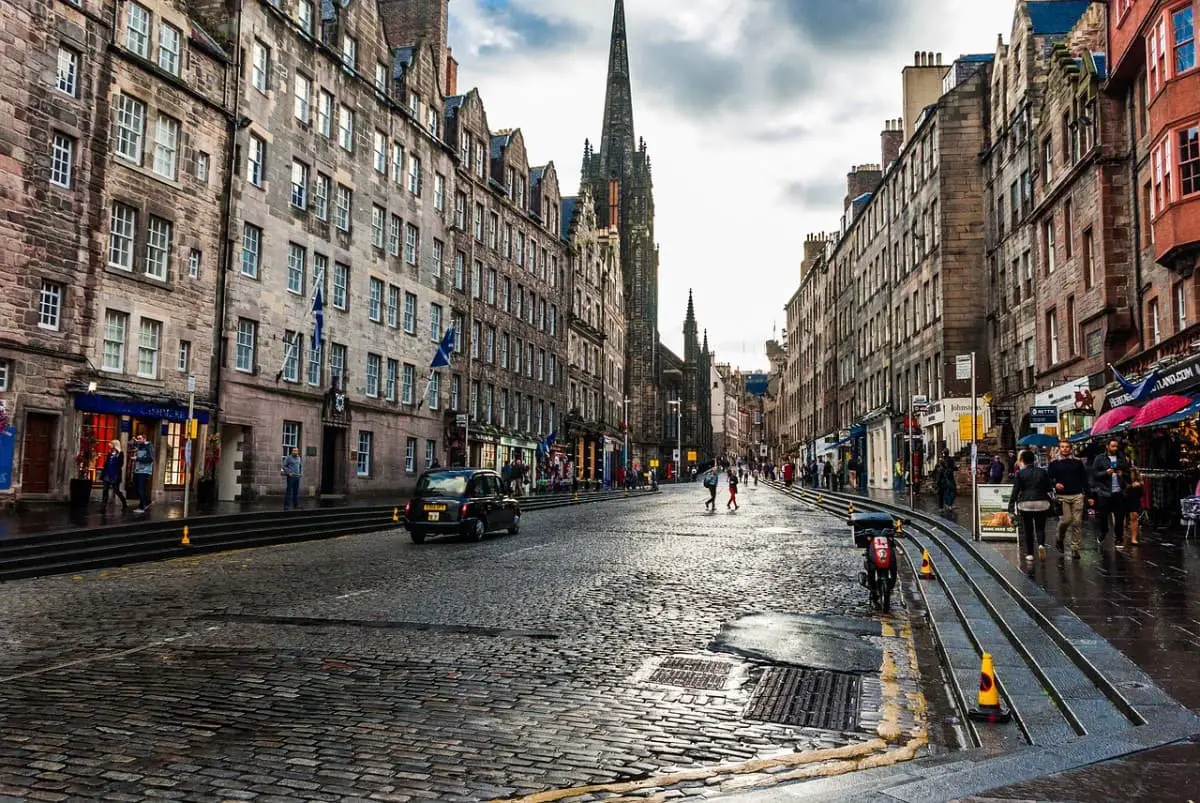
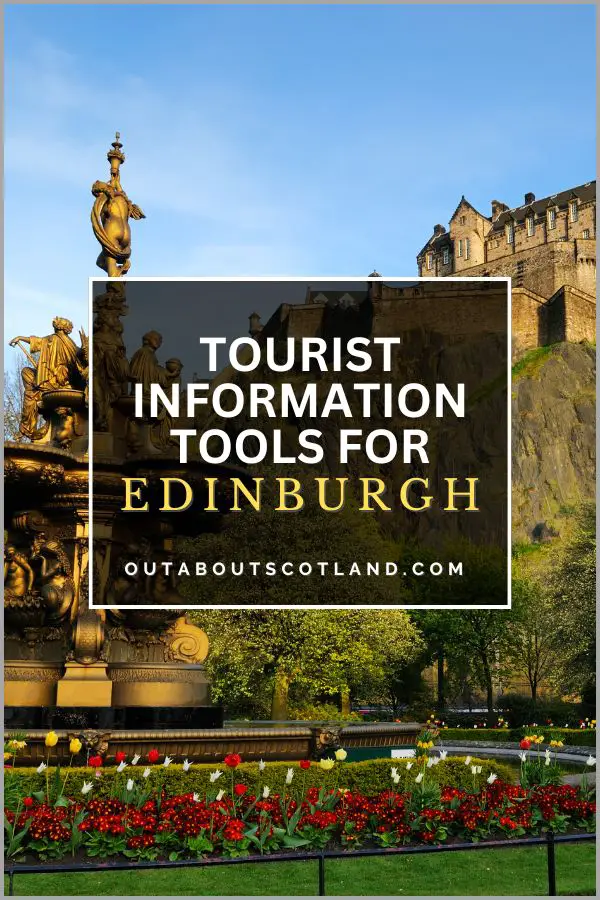
The Old and New Towns of Edinburgh, inscribed as a UNESCO World Heritage Site in 1995, together form one of Europe’s most striking urban landscapes – a vivid contrast of medieval complexity and Enlightenment order.
The Old Town, with its narrow closes, towering tenements, and the dramatic spine of the Royal Mile, reflects the organic growth of a medieval burgh shaped by centuries of history. In contrast, the New Town, begun in the late 18th century, embodies the ideals of the Scottish Enlightenment. It’s a masterpiece of Georgian planning with elegant squares, terraces, and grand neoclassical architecture.
Together, these two halves of the city illustrate the evolution of urban planning over several centuries, seamlessly blending old and new. Edinburgh’s skyline – crowned by its castle and framed by the ordered geometry of the New Town – captures both the city’s historic depth and its creative spirit.
You can see the top attractions in Edinburgh in this article: The Best Places to Visit in Edinburgh.
The Heart of Neolithic Orkney
The Heart of Neolithic Orkney, inscribed as a UNESCO World Heritage Site in 1999, is one of Europe’s most extraordinary prehistoric landscapes. Situated on the Orkney Mainland, it encompasses four key sites – Skara Brae, Maeshowe, the Stones of Stenness, and the Ring of Brodgar – all set within a rich archaeological landscape that offers remarkable insight into life over 5,000 years ago.
This cluster of monuments represents a flourishing Neolithic society that displayed sophisticated architecture, engineering, and cultural expression long before the Egyptian pyramids were built.
Skara Brae, a remarkably well-preserved village, provides a vivid snapshot of daily life, complete with stone furniture and drainage systems. Nearby, the Maeshowe chambered tomb reveals advanced craftsmanship and astronomical alignment, while the great stone circles of Stenness and Brodgar reflect complex ceremonial and ritual practices.
New Lanark
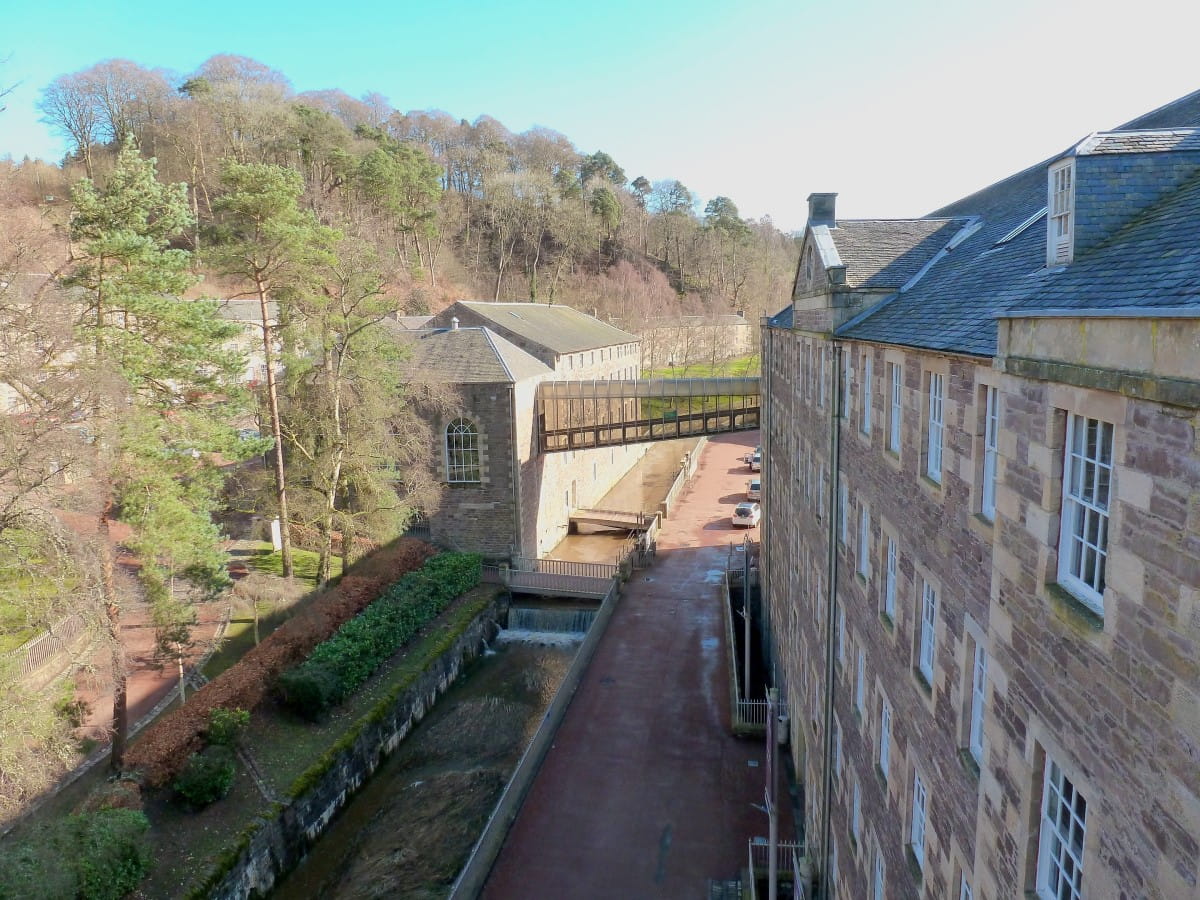
New Lanark, inscribed as a UNESCO World Heritage Site in 2001, is a beautifully preserved 18th-century industrial village nestled on the banks of the River Clyde in South Lanarkshire. Founded in 1785 by industrialist David Dale, it became world-famous under the management of social reformer Robert Owen, who transformed it into a pioneering model of enlightened industrial community life.
At its height, New Lanark combined advanced cotton-spinning technology with progressive social ideas that were far ahead of their time. Owen introduced decent housing, fair wages, healthcare, education for children, and the now-legendary ‘Institute for the Formation of Character’, making the village an early experiment in welfare and cooperative living.
Its stone mills, workers’ homes, and riverside setting remain largely intact, offering a glimpse into the origins of social reform and the rise of modern industrial society.
The Antonine Wall
The Antonine Wall, inscribed as part of the transnational UNESCO World Heritage Site ‘Frontiers of the Roman Empire’ in 2008, marks the most northerly boundary of the ancient Roman Empire. Stretching roughly 37 miles (60 km) across central Scotland from the Firth of Forth to the Firth of Clyde, it was built around AD 142 under Emperor Antoninus Pius to consolidate Roman control over Caledonia.
Unlike its stone-built southern counterpart, Hadrian’s Wall, the Antonine Wall was constructed primarily from turf on a stone foundation, with a deep ditch and a line of forts and fortlets along its length.
Though occupied for only about two decades, it was a formidable frontier – an extraordinary blend of military engineering and strategic design that symbolised Rome’s ambition to command even the wild northern reaches of Britain.
The Forth Bridge
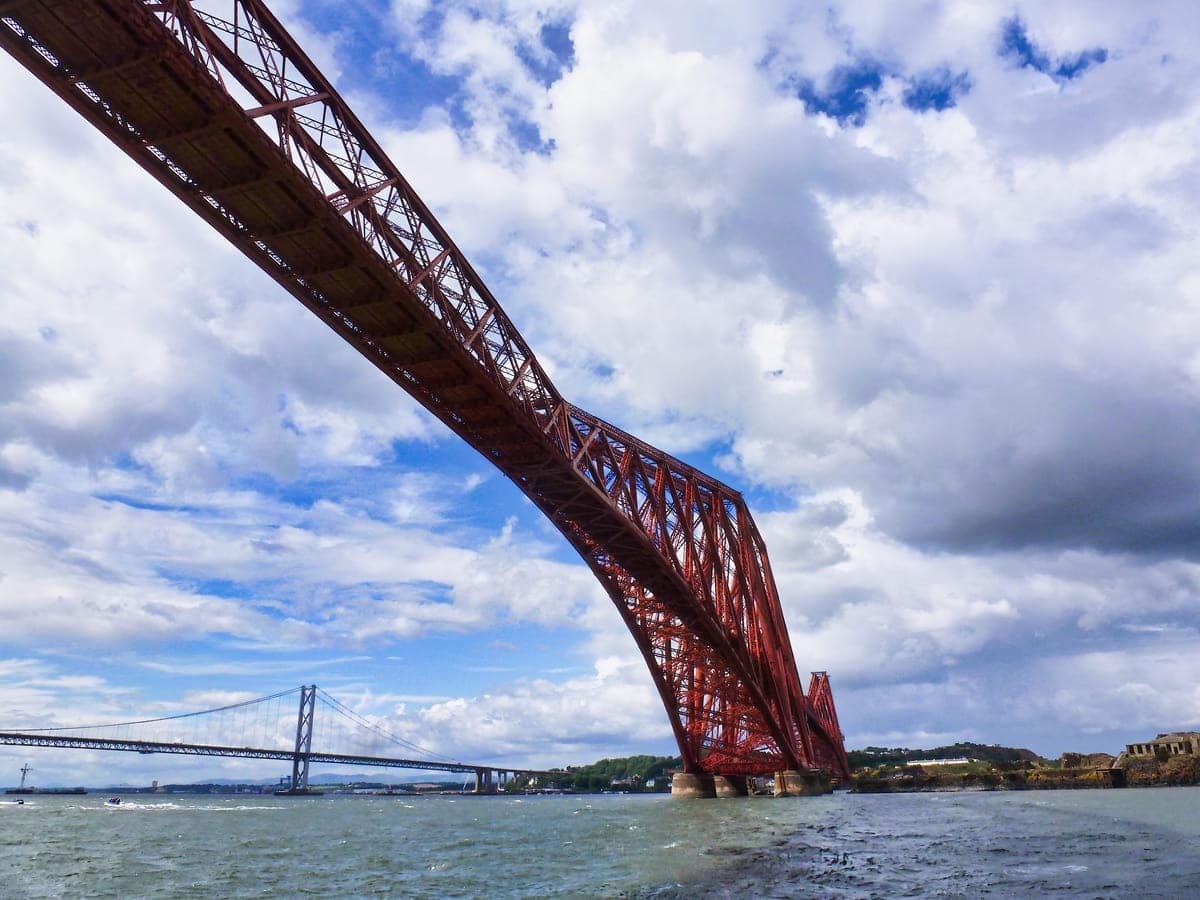
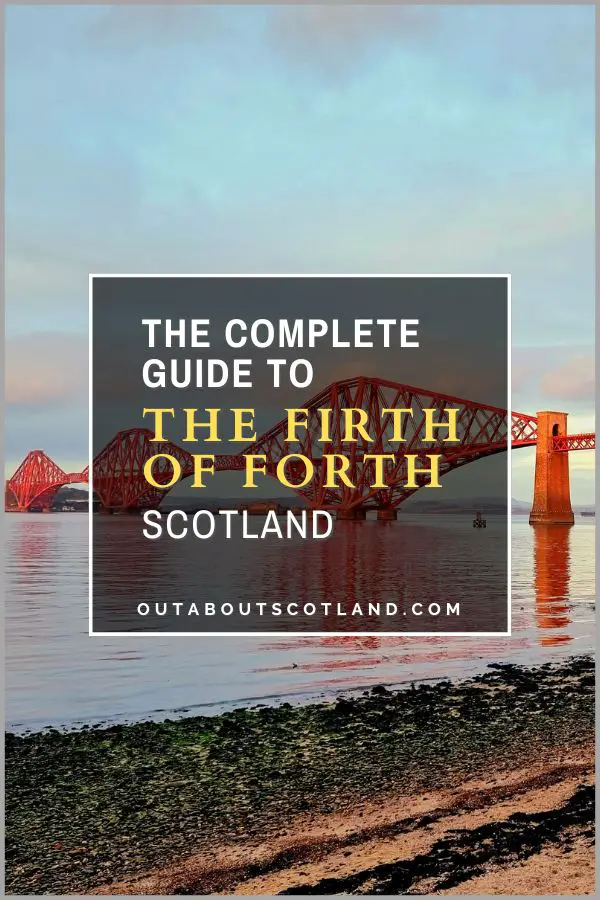
The Forth Bridge, inscribed as a UNESCO World Heritage Site in 2015, spans the Firth of Forth between Fife and Edinburgh. This vast red steel structure was completed in 1890 and remains one of the world’s greatest feats of Victorian engineering.
Designed by Sir John Fowler and Sir Benjamin Baker, the bridge’s design was revolutionary for its time. Stretching 1.5 miles (2.5 km) across the estuary, it transformed rail travel in Britain, linking the north and south of the country and setting new global standards for large-scale steel construction.
UNESCO recognised the Forth Bridge as an iconic example of 19th-century engineering, representing the ingenuity and ambition of the Industrial Age, and it still carries trains more than a century later.
St. Kilda
St. Kilda, a remote volcanic archipelago 40 miles west of Scotland’s Outer Hebrides, stands as the UK’s only dual UNESCO World Heritage Site, recognized for both its natural wonders and cultural heritage. Comprising islands like Hirta, Dun, Soay, and Boreray, this isolated outpost was evacuated in 1930 after centuries of human habitation, but now thrives as a seabird sanctuary amid crashing Atlantic waves.
Inscribed by UNESCO in 1986 for its terrestrial features, the site expanded in 2004 to include marine habitats and in 2005 for its cultural landscape, making it one of just 39 mixed sites worldwide. Towering sea cliffs, the highest in Europe at over 1,400 feet, shelter nearly a million puffins, gannets, and fulmars.
Once home to hardy islanders who survived on seabirds and their eggs, St. Kilda’s ruins – stone cleits for storage and a medieval village – echo a vanished way of life shaped by isolation and ingenuity.
The Flow Country
The Flow Country, located in Caithness and Sutherland in the far north of mainland Scotland, was officially inscribed as a UNESCO World Heritage Site in July 2024. It’s Scotland’s first site recognised solely for its natural heritage and the world’s first peatland to receive this status.
Covering around 1,544 mi², with about 734 mi² forming the designated area, the Flow Country is the most extensive and intact blanket bog system on Earth. Its vast, rolling landscape of peat, pools, and mosses has been forming since the last Ice Age and continues to accumulate organic material today.
This ecosystem plays a vital role in storing carbon, helping to regulate the global climate, and supports rare wildlife such as golden plover, greenshank, and red-throated divers, along with specialist bog plants like sphagnum moss and sundews.
Global Geoparks
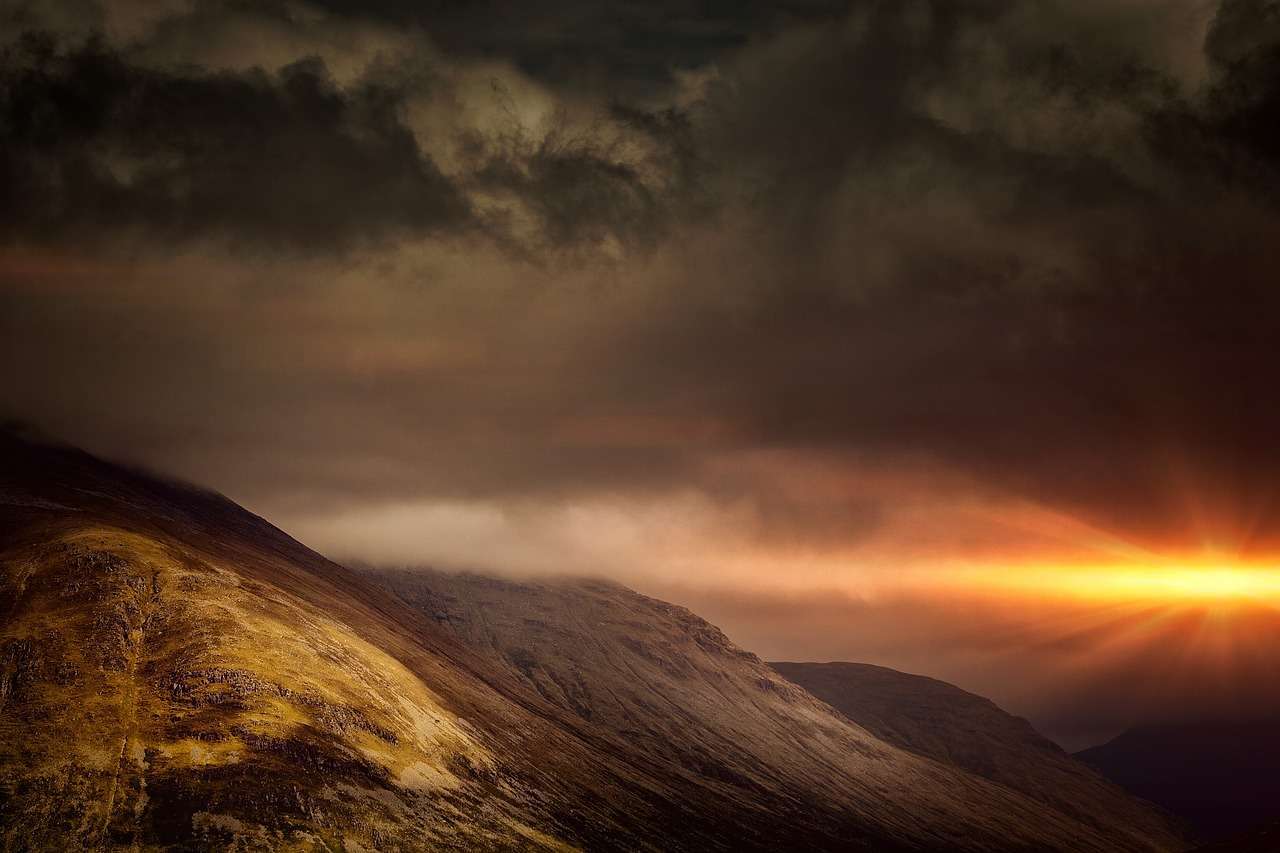
A geopark is a single geographic area that’s considered to be of global importance. These regions of the world are significant for their nature, culture, and geology and have undergone some development by their local communities to raise awareness of issues like climate change and sustainably using natural resources.
UNESCO work with landowners and tourism businesses to promote each geopark and raise awareness of people’s connections to the places they call home, with each geopark being awarded the designation for 4 years at a time. At the end of each 4-year period, the geopark is reviewed and if it fails to maintain UNESCO’s standards it can lose this highly-valued award.
There are 169 global geoparks worldwide spread across 44 countries, and currently Scotland has 2 of them: the North West Highlands Global Geopark and Shetland Global Geopark, both of which have diverse geologies, a rich cultural heritage, and are exceptional places of natural beauty.
The North West Highlands (awarded 2004) is Scotland’s first geopark. It’s situated in the far north of the Scottish Highlands where it stretches from the Summer Isles in Wester Ross up the coastline to Sutherland and inland to Durness and Loch Eriboll.
In total, the geopark covers 800 square miles of a region that is the most sparsely populated in Europe. Attractions are too many to list, but a few must-sees are the mountains of Suilven and Stac Pollaidh and the ridges of Foinaven and Arkle.
The Shetland Global Geopark (awarded 2009), meanwhile, comprises a varied landscape of heather-covered moorland, lochs, glens, rugged coastline, and golden sandy beaches.
The rocks beneath Shetland are around 3 billion years old and tell tales of a time when the islands were originally located at the South Pole before movement in the earth’s crust transported them across the equator. This is one of the most inhospitable places in Scotland yet it’s exceptionally scenic and the coastline is a haven for wildlife, especially seabird colonies which are amongst the largest in Europe.
Biosphere Reserves
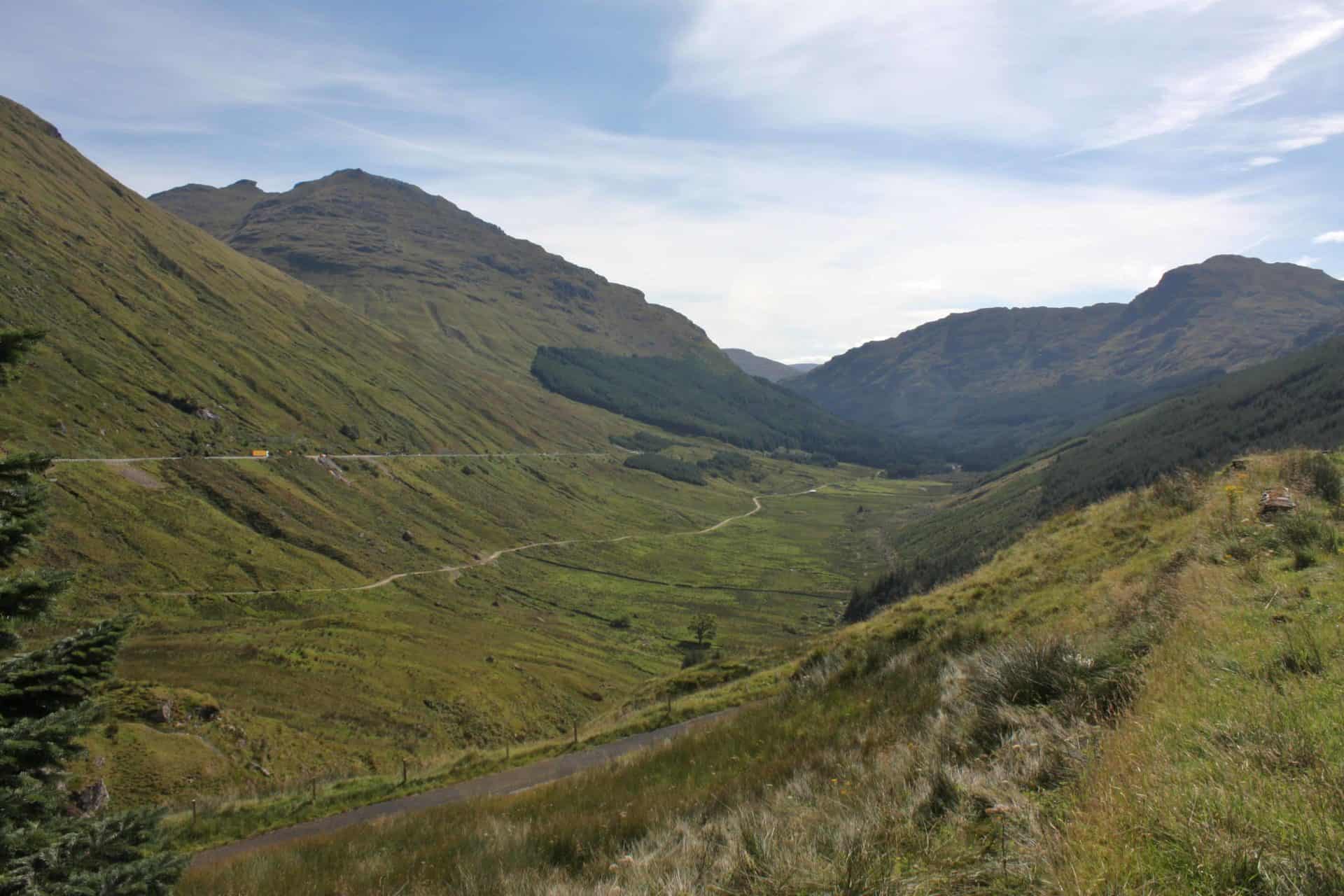
There are 727 biospheres across the globe, and here in Scotland we’re privileged to have two of them.
A biosphere reserve is an area that has a thriving ecosystem that supports a diverse range of flora and fauna and also has communities that manage to live off the land while promoting conservation. In a biosphere reserve, people preserve their time-honoured ways of life and maintain their cultural identity, even when under pressure from globalization and changes in the environment.
Looking after these places is of the utmost importance, not just for the people who live there but also for the nation as a whole, and UNESCO works with all stakeholders—from the government to the landowners and the permanent residents—to ensure each biosphere is carefully managed.
The two biosphere reserves in Scotland are located in Galloway and Southern Ayrshire, and Wester Ross.
The Galloway and Southern Ayrshire biosphere (awarded 2012) is a land of gorgeous scenery, close-knit farming communities, and a rich cultural heritage. Of particular note is Galloway Forest Park which is widely regarded as one of the finest forests in Britain and attracts tens of thousands of walkers and cyclists each year, yet due to careful management the impact of tourism on the landscape is negligible.
This is most evident in the fact that it was one of the first places in Europe to be designated as a dark sky park which is one of the few places in the world that is entirely without light pollution.
The second biosphere in Wester Ross spans 3,000 square miles in a region that has some of the oldest forests in Scotland, some of the country’s tallest mountains, and arguably the prettiest coastline in the United Kingdom.
Highlights include the spectacular Torridon Hills, the equally dramatic Kintail mountain ridges, and the spectacular coastline between Kyle of Lochalsh and Ullapool (a personal favourite – I highly recommend a road trip if you’ve never been before).
Creative Cities

UNESCO created the list of Creative Cities in 2004 as a means to encourage cooperation between cities all over the world to promote art whether it’s in the form of design, music, food, or architecture. There are 180 cities as of 2022 across 72 countries, with the three in Scotland being Edinburgh, Glasgow, and Dundee.
Edinburgh was the first ever city to be designated a City of Literature in 2004, which isn’t surprising given its strong ties to the written word. Some of Edinburgh’s best tourist attractions are the Scott Monument and the Writer’s Museum – both of which are solely dedicated to Scottish wordsmiths.
The Gothic masterpiece Scott Monument gives a good idea of the appreciation the city has for the works of Sir Walter Scott, which, at 200 feet, is the tallest monument to a writer anywhere in the world. Other legendary Edinburgh authors include Robert Louis Stevenson, Robert Burns, JM Barrie, Muriel Spark, and JK Rowling, who created some magical (pun intended) stories while living in the city.
Next on the list is Glasgow, fondly known as the city of music, which hosts an average of 130 music events every week and also sets the stage for the incredibly popular TRNSMT music festival and the World Bagpipe Championships. In addition, Glasgow is home to the Scottish Opera and the Royal Scottish National Orchestra, as well as the BBC Scottish Symphony Orchestra, the Royal Conservatoire of Scotland, and the Scottish Ensemble.
UNESCO awarded Glasgow the designation of City of Music in 2008 alongside Ghent, at a time when the only other city to have the award was Bologna. Today, there are 42 UNESCO Cities of Music worldwide.
Last, but not least, is Dundee, which is the only city in the United Kingdom to have the designation ‘City of Design’. To receive the designation a city must have an established design industry, design schools and research centres, and experience in hosting design events.
Dundee achieves this aim thanks to the fantastic V&A Design Museum, attractions like the McManus Museum which features an exhibition of comic book hero Desperate Dan, and venues like the Dundee Contemporary Arts Centre. Dundee is defined by innovation and is a multidisciplinary hub that’s making great strides in medical research, is a leader in fashion design, and is at the cutting edge of the gaming industry.
Frequently Asked Questions
What is UNESCO?
UNESCO is the United Nations Educational, Scientific and Cultural Organization. The organization was created during WWII as a means to build peace through international cooperation in the fields of art, the natural world, culture, and science.
UNESCO aims to bring people from different countries together by promoting cultural heritage, providing education, and preserving natural habitats.
What is a UNESCO designation?
A UNESCO designation is given to special places or landmarks that have a unique global significance, whether it’s a scientific discovery, a unique culture, or a place of natural beauty.
An example of one of these places is the New Lanark cotton mill in Scotland which was the location of the world’s first attempt to introduce fair conditions for workers which included childcare, reasonable working hours, and fair wages.
How many types of UNESCO designations are there?
There are 8 UNESCO designations: World Heritage Sites, Biosphere Reserves, Global Geoparks, Creative Cities, Memory of the World, Intergovernmental Oceanographic Committee, and Intergovernmental Hydrological Programme.
The main designation is World Heritage Site which has cultural, natural, and mixed subcategories.
How many World Heritage Sites are there in the world?
As of 2022, there are 1,154 World Heritage Sites.
Scotland has six WHS sites plus 2 Biosphere Reserves, 2 Global Geoparks, and 3 Creative Cities.